


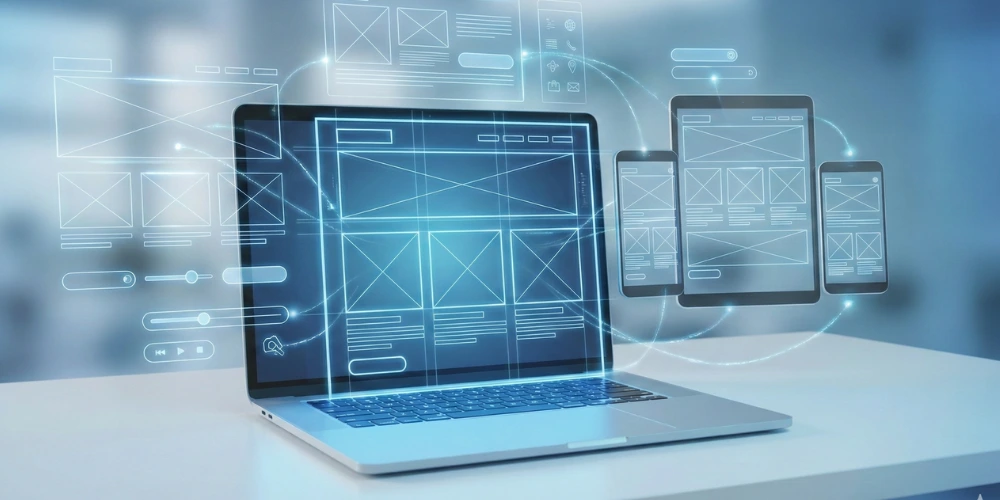
Learn what web design is, how it works, key elements, process, and importance in creating modern, user-friendly websites
Web design is the process of creating and organizing the visual layout, structure, and user experience of a website. It involves combining design principles, user interface elements, and technical planning to create websites that are visually appealing, easy to use, and functional across different devices. Web design focuses on how a website looks, feels, and interacts with users when they visit it through browsers such as Chrome, Safari, or Edge.
In today's digital world, a website is often the first interaction between a business and its audience. The design of a website plays a crucial role in shaping user perception, building trust, and ensuring smooth navigation. A well-designed website helps users find information easily, improves engagement, and enhances overall user satisfaction. Web design is not just about colors and graphics; it also involves usability, accessibility, responsiveness, and performance optimization.
Understanding the Purpose of Web Design
The primary purpose of web design is to create a website that delivers information effectively while providing a positive user experience. When users visit a website, they expect clear navigation, fast loading speed, and a visually organized layout. Web design ensures that these expectations are met by structuring content logically and presenting it in an easy-to-understand format.
Web design also helps guide users toward specific actions, such as reading content, exploring pages, or learning more about particular topics. By using proper layout techniques, designers can improve readability, highlight important information, and create a seamless browsing experience.
How Web Design Works
Web design works by combining visual design elements with technical structure to create functional and user-friendly websites. The process begins with planning the website layout, followed by designing visual components, and finally implementing the design using web technologies.
Designers use layout grids, typography, color schemes, and interactive elements to create a consistent visual identity. These elements are then structured to ensure compatibility across different devices, including desktops, tablets, and smartphones.
Main Elements of Web Design
Layout Structure
Layout is the foundation of web design. It determines how content is arranged on a webpage. A good layout organizes information clearly, making it easier for users to navigate and understand the content. Layout includes headers, sections, images, navigation menus, and spacing between elements.
Typography
Typography refers to the style, size, and appearance of text on a website. Proper typography improves readability and enhances user experience. Choosing the right font and spacing ensures users can read content comfortably.
Color Scheme
Colors play a significant role in web design. They influence user emotions and improve visual appeal. A consistent color scheme creates a professional appearance and helps establish visual harmony.
User Interface (UI)
User interface includes interactive elements such as buttons, menus, forms, and navigation links. UI design ensures users can interact with the website easily and efficiently.
User Experience (UX)
User experience focuses on how users interact with the website. UX design ensures the website is easy to navigate, loads quickly, and provides a smooth browsing experience.
Responsive Web Design
Responsive web design ensures that a website works properly on all devices, including smartphones, tablets, and desktops. With increasing mobile usage, responsive design has become essential. It allows websites to adjust layout and content automatically based on screen size.
Responsive design improves accessibility and ensures users have a consistent experience regardless of the device they use.
Importance of Web Design for Websites
Web design plays a critical role in how users perceive and interact with a website. A well-designed website improves user engagement, increases credibility, and ensures information is presented clearly.
Good web design also improves website performance by optimizing layout, navigation, and loading speed. Users are more likely to stay on websites that are visually appealing and easy to use.
Web Design and Website Functionality
Web design ensures that website functionality aligns with user expectations. It involves structuring navigation menus, organizing content, and ensuring all features work correctly. Designers focus on usability to ensure users can complete tasks easily.
To understand how professional websites are structured and implemented, you can explore detailed web design services and solutions that demonstrate modern website design standards and functionality.
Web Design Process Step by Step
Planning
The planning stage involves defining the website structure, goals, and content layout. Designers create wireframes to visualize the website before development begins.
Design Creation
Designers create visual layouts, select colors, and define typography. This stage focuses on creating an attractive and user-friendly interface.
Implementation
The design is implemented using web technologies. Designers ensure the website layout works correctly across all devices.
Testing
Testing ensures the website functions properly and provides a smooth user experience. Designers check responsiveness, loading speed, and compatibility.
Difference Between Web Design and Web Development
Web design focuses on visual appearance and user experience, while web development focuses on coding and functionality. Web designers create layouts and visuals, while developers implement technical features.
Future of Web Design
Web design continues to evolve with new technologies and user expectations. Modern websites focus on simplicity, speed, accessibility, and responsiveness.
Design trends such as minimalism, interactive elements, and mobile-first design are shaping the future of web design.
Conclusion
Web design is an essential part of creating effective and user-friendly websites. It combines visual design, layout structure, and usability to deliver a seamless experience. Understanding web design helps create websites that are accessible, functional, and visually appealing.
As digital platforms continue to grow, web design will remain a critical factor in ensuring websites meet user expectations and provide meaningful interactions.