

Discover the essential steps to build a successful social media marketing strategy in 2026. Learn audience targeting, content planning, paid advertising, engagement tactics, and growth strategies for long-term business success.
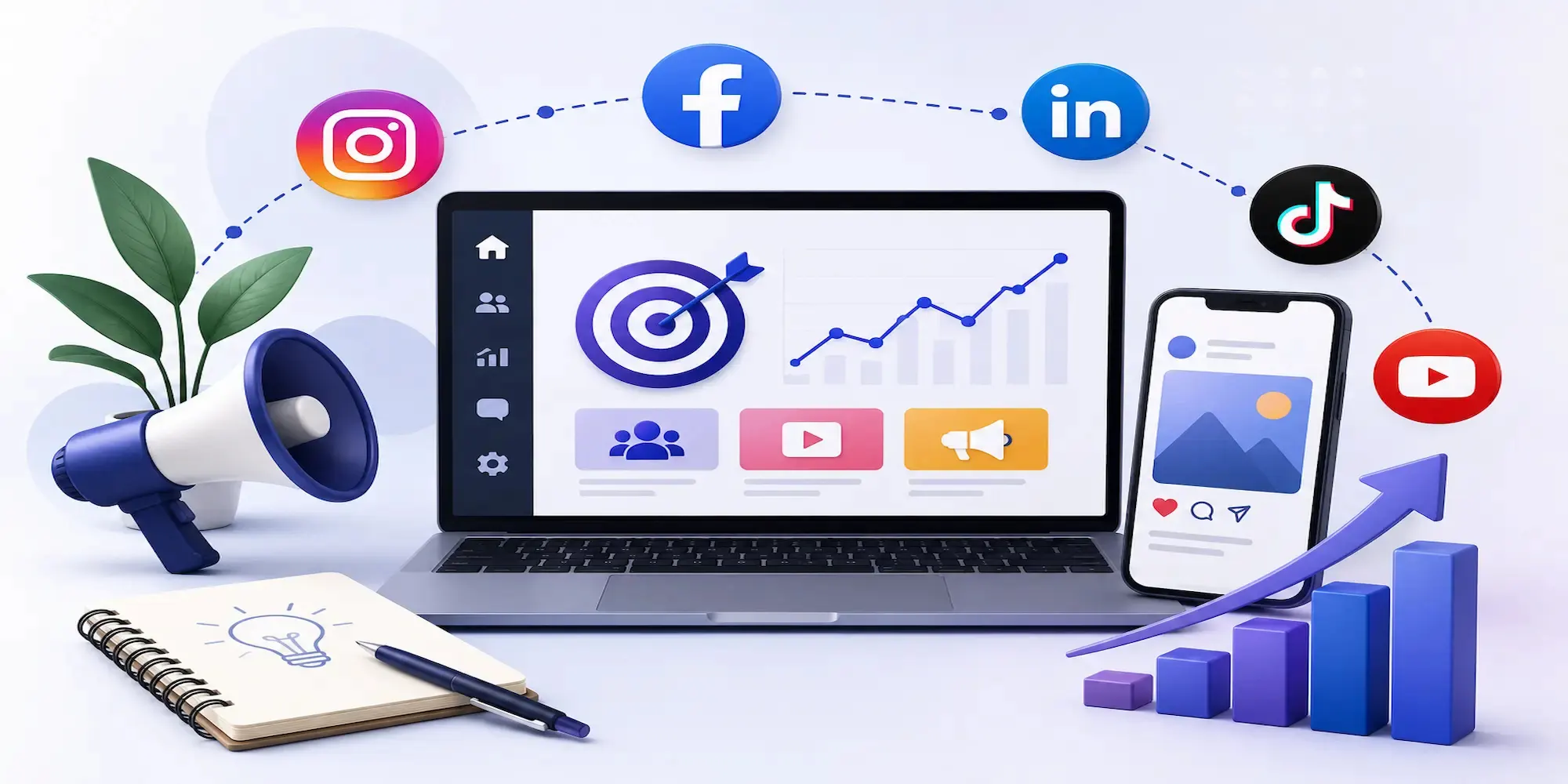
Social media is one of the most effective marketing tools for businesses in 2026. Startups, established global brands, and others are leveraging platforms such as Instagram, Facebook, LinkedIn, and Tik Tok to reach out to customers, raise brand awareness, and make sales. The increasingly dynamic algorithms, the increasing competition, and the ever-evolving expectations of customers require that businesses do more than mere posting randomly to succeed online. Professional social media marketing services are associated with investing in the service to develop specific campaigns that enhance the level of engagement, trust, and measurable outcomes.
The behavior of consumers is evolving at a fast rate. Individuals are becoming more fond of personalized information, short-videos, engaging experiences, and genuine brand communication. Companies that are aware of such trends are able to establish better relations with their audience and remain on the top of the competitors. A Successful Social Media Marketing Strategy enables businesses to plan their content, reach the appropriate audience and realize growth in the long term due to the regularity of marketing.
Understanding the Basics of Social Media Marketing
What Is a Social Media Marketing Strategy?
A social media marketing strategy is a plan that describes how a business is going to utilize social media sites to reach the marketing objectives. It encompasses content creation, targeting of the audience, posting schedule and advertisement campaigns as well as monitoring performance.
An effective Successful Social Media Marketing Strategy can assist businesses to build a consistent branding, boost engagement and conversions rather than post blindly.
Why Businesses Need a Clear Strategy
Lacking a proper strategy, the businesses tend to lose their audience and fail to experience a significant growth. A powerful strategy aids brands:
- Increase online visibility
- Build customer trust
- Generate leads and sales
- Improve audience engagement
- Be competitive in the market.
It is important to have clear objectives and the same consistent message in a long-term success.
Setting Clear Social Media Goals
Brand Awareness Goals
Brand recognition assists companies to tap into new markets and enhance awareness. Through social media, brands are able to display their products, services and company values to millions of users.
Businesses can enhance awareness by:
- Video content
- Influencer collaborations
- Trending hashtags
- Consistent posting
- Shareable content
Lead Generation and Sales Objectives
Social media has become a key channel of sales. Leads can be created through ads, landing pages and interactive campaigns by businesses.
Good ways of lead generation are:
- Strong call-to-actions
- Retargeting ads
- Promotional campaigns
- Optimized landing pages
Engagement and Community Building
The involvement of the audience is significant to develop customer loyalty. Those businesses communicating with followers build stronger relationships and enhance trust.
Community-building methods include:
- Replying to comments
- Hosting live sessions
- Running polls and question and answer.
- Sharing user-generated content
Identifying Your Target Audience
Audience Demographics and Interests
The target audience is important in understanding in order to develop relevant content. Businesses should analyze:
- Age
- Gender
- Interests
- Location
- Online behavior
Understanding what the audience appreciates assists the brands to produce content that will generate engagement and conversions.
Understanding User Behavior Across Platforms
The user behavior of every platform is different. Users on Instagram are more into visual content whereas LinkedIn users are more into professional insights.
For example:
- Instagram is the best to use in visual branding.
- Facebook is beneficial to the community.
- LinkedIn is best suited to B2B marketing.
- Tik Tok is dedicated to short-form entertainment videos.
Knowing how platforms behave can assist businesses to develop superior marketing campaigns.
Choosing the Right Social Media Platforms
Instagram and Facebook Marketing
Instagram and Facebook will still be potent in the growth of business in 2026. These platforms facilitate video marketing, paid advertisements, live streaming and interaction with the audience.
They can be used by businesses to:
- Product promotion
- Brand storytelling
- Influencer marketing
- Customer engagement
LinkedIn for B2B Marketing
LinkedIn is very efficient in B2B business. It assists brands in reaching out to professionals, creating leads, and gaining authority in their industry.
Strategies that are popular on LinkedIn are:
- Thought leadership posts
- Industry insights
- Professional networking
- Targeted advertising
TikTok and Short-Form Video Growth
Tik Tok remains the leader in the short-video content. Making real and entertaining videos, businesses can reach high engagement and reach.
The short video has emerged as a significant element of any Successful Social Media Marketing Strategy due to the preference of the users towards short and entertaining materials.
Creating High-Quality Content for 2026
Importance of Video Content
Video content is more superior compared to most other forms of content since it is captivating and consumable.
Popular video content will consist of:
- Tutorials
- Product demonstrations
- Behind-the-scenes videos
- Customer testimonials
- Educational content
Video marketing by businesses tends to have increased engagement and increase in the rate of conversion.
Interactive and AI-Driven Content
Interactive content and AI are transforming social media marketing in 2026. AI tools are now employed by brands to make personalized recommendations, chatbots and automated customer interactions.
Polls, quizzes, and live videos are also interactive content, which enhance the level of audience participation.
Consistency in Branding and Messaging
Coherent branding assists companies to acquire recognition and trust. The tone, colors, messaging and visual style of the brand should be the same on all social media platforms.
Coherence enhances professionalism and builds brand name.
Building a Content Calendar
Posting Frequency
Regular updates will keep the audience interested and enhance visibility. Realistic posting schedule should be created by the businesses depending on the activity of the audience.
Recommended posting frequency:
- Instagram: 4–5 posts weekly
- Facebook: 3–4 posts weekly
- LinkedIn: 2–3 posts weekly
- Tik Tok: Every day or once or twice a week.
Content Planning and Scheduling Tools
Scheduling software assists companies in organizing material and save time.
Popular tools include:
- Buffer
- Hootsuite
- Sprout Social
- Meta Business Suite
It is more efficient and consistent to plan what should be written.
Leveraging Paid Social Media Advertising
Audience Targeting Strategies
Paid advertising enables companies to target a group of people with high level of advertising interest, demographics and online behavior.
Good methods of targeting are:
- Custom audiences
- Lookalike audiences
- Geographic targeting
- Interest-based targeting
Retargeting and Conversion Campaigns
Retargeting campaigns assist the companies to re-engage those users who had visited the company or viewed the content.
Retargeting improves:
- Conversion rates
- Brand recall
- Customer retention
- Sales performance
A Successful Social Media Marketing Strategy requires a proper blend of organic and paid marketing.
Tracking Performance and Analytics
Key Metrics to Monitor
The businesses are advised to track such key social media indicators as:
- Engagement rate
- Reach and impressions
- Website traffic
- Click-through rate
- Conversion rate
Performance monitoring assists brands to know what works optimally.
Using Data to Improve Campaigns
Analytics can give insights to businesses that can be used to maximize campaigns and achieve better outcomes. Periodic analysis of data can enable a brand to modify strategies and maximize ROI.
Common Social Media Marketing Mistakes to Avoid
1. Inconsistent Posting
Infrequent posting minimizes the audience engagement and brand presence. Businesses are advised to have regular posting.
2. Ignoring Audience Engagement
The inability to reply to the comments and messages may ruin relationships with customers and decrease the level of trust.
3. Focusing Only on Followers
Large number of followers does not necessarily imply success. Vanity metrics are not so crucial as engagement, conversions, and customer loyalty.
Conclusion:
Competitiveness and dynamism in social media marketing have never been greater as in 2026. Companies need to work on developing valuable content, the behavior of their audiences, and keeping up with the evolving online trends. An effective and powerful Social Media Marketing Strategy assists brands to enhance their engagement, visibility and business growth in the long term. Organizations that emphasize innovation, coherence, and engagement with customers have higher chances of performing effectively in the contemporary social media platforms.
The long-term growth is based on continuous improvement, data analysis and strategic planning. By investing in quality content, paid promotion, and engaging with their audience, brands can create a solid online presence and keep ahead of competitors. Another way that businesses might consider using an advanced social media marketing agency is to have them develop advanced campaigns and get the best out of social media in 2026.
FAQs
1. What is the most important part of a social media marketing strategy?
The greatest part of a strategy is to understand your target audience and make them engage with your content.
2. Which social media platform is best for business growth in 2026?
Instagram, LinkedIn, Facebook and Tik Tok are some of the most appropriate platforms based on the business objectives and the type of audience.
3. How often should businesses post on social media?
Businesses ought to post regularly according to the activity of the audience and trends of the platforms.
4. Is paid advertising necessary for social media success?
Paid advertising assists companies to reach more, create leads, and enhance conversions faster.
5. What are the measures of the social media marketing success of businesses?
Measurement of success can be in terms of engagement, conversions, traffic and return on investment.
6. What type of content performs best on social media in 2026?
The best types of content are short-form videos, interactive posts, educational content, and authentic storytelling in 2026.